How we challenge the breath test and field sobriety results
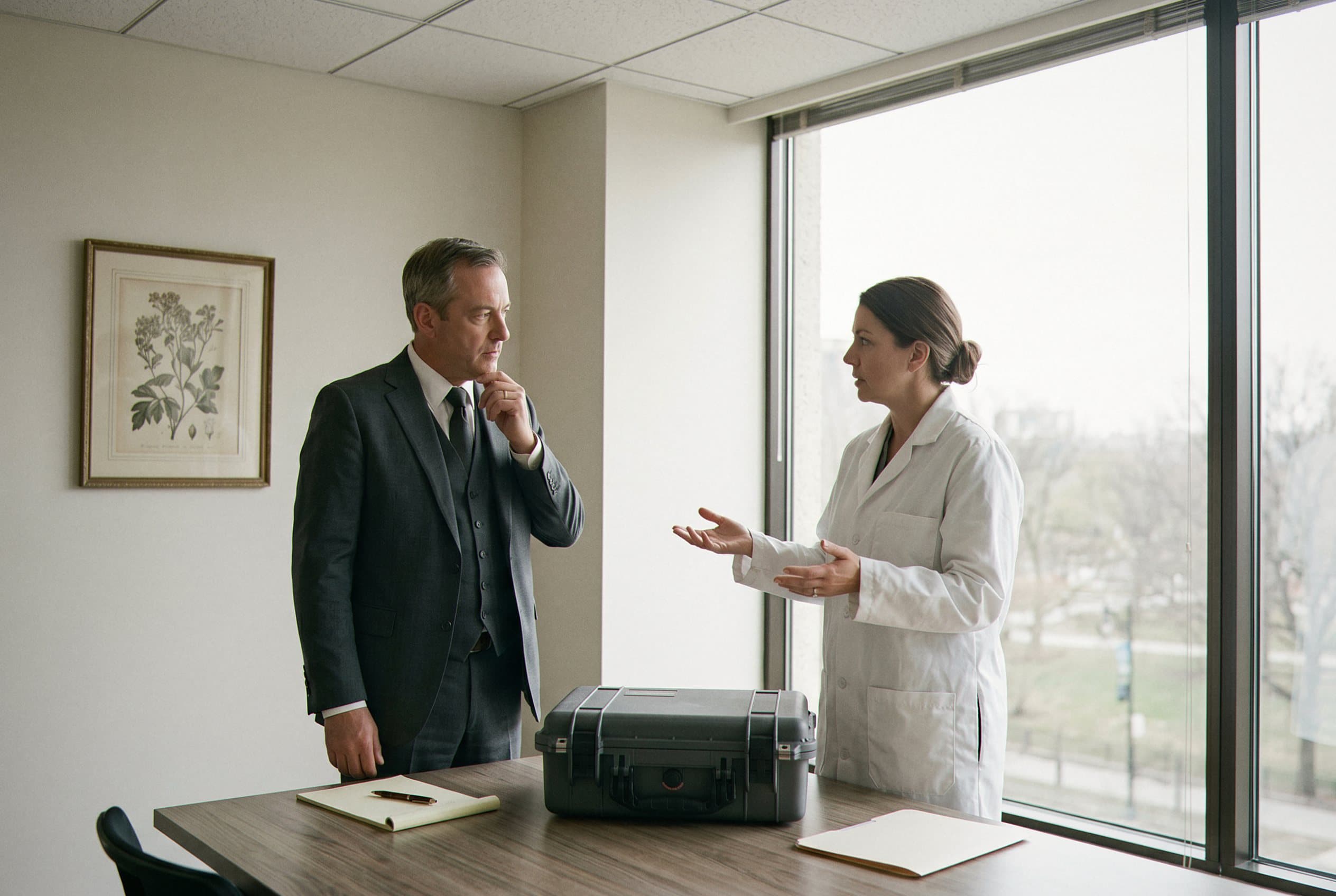
You blew into a breath machine on the side of the road in Farmington Hills, and the officer wrote down a number that now sits at the center of your case. That number is not the last word. We take it apart, piece by piece, long before anyone in court is allowed to treat it as solid proof of anything. These machines need real care. They need regular calibration, a trained operator, and a clean watch period before you ever breathe into the tube, or the result drifts away from the truth. When one step slips, the reading climbs. So we ask for the maintenance logs, the operator records, and the timing of every single action taken at the station that night, then hold all of it up against what the law and the manual actually demand. We hunt for the gap. That gap can weaken the whole case the prosecutor wants to bring against you.
Field sobriety tests look simple, but they are not. They are scored on tiny clues that most drivers never even notice while they stand there in the cold. The officer counts how you balance, how you turn on the line, and how your eyes track a slow moving pen held in front of your face. Nerves can throw it off. So can cold weather, a sore knee, tight shoes, or a patch of loose gravel under your feet. The three standard tests come from a federal training guide, and that guide sets strict rules for how each one must be given and scored. We studied the same guide the police use. So we can show the court where a test was run wrong, or where a fair score was quietly stretched to fit the arrest the officer already decided to make.
- We read the full calibration and maintenance history of the breath machine that produced your number, then flag any required service that was skipped, late, or never logged at all.
- We check whether the officer truly watched you for the full watch window. A burp, a sip, or acid reflux can spike a reading without any new drinking.
- We measure each field sobriety test against the federal standards officers are trained to follow, clue by clue, and we mark every place the test drifted off script.
- We point to medical issues, footwear, cold weather, and uneven pavement that can fake the look of being drunk on a dark Farmington Hills roadside at night.
- We work to keep weak or sloppy test results away from the jury when the process behind those numbers was clearly flawed from the very start.
We start by gathering every record tied to your stop here in Farmington Hills. That means the dash and body camera video, the breath machine paperwork, the officer field notes, and the dispatch timing logs from that night. We line it all up against what the law requires at each step of the arrest. Small gaps matter. If the machine was overdue for service, the result loses its footing fast. If the officer skipped the watch period or rushed through the steps, that becomes a real opening for us to use on your behalf. We take what we find and question the charge, fight the action against your license at the hearing, and push toward the outcome you actually need. You will know what we found. You will know what comes next.
Call our Farmington Hills office today and walk us through your stop. We will explain how we would challenge the breath test and the field sobriety results in your own case, what records we would pull first, and what the next step looks like for you.